Western Ghost Stories
Photo Collages Inspired by Historic Buildings of New Mexico
Photo Collages Inspired by Historic Buildings of New Mexico
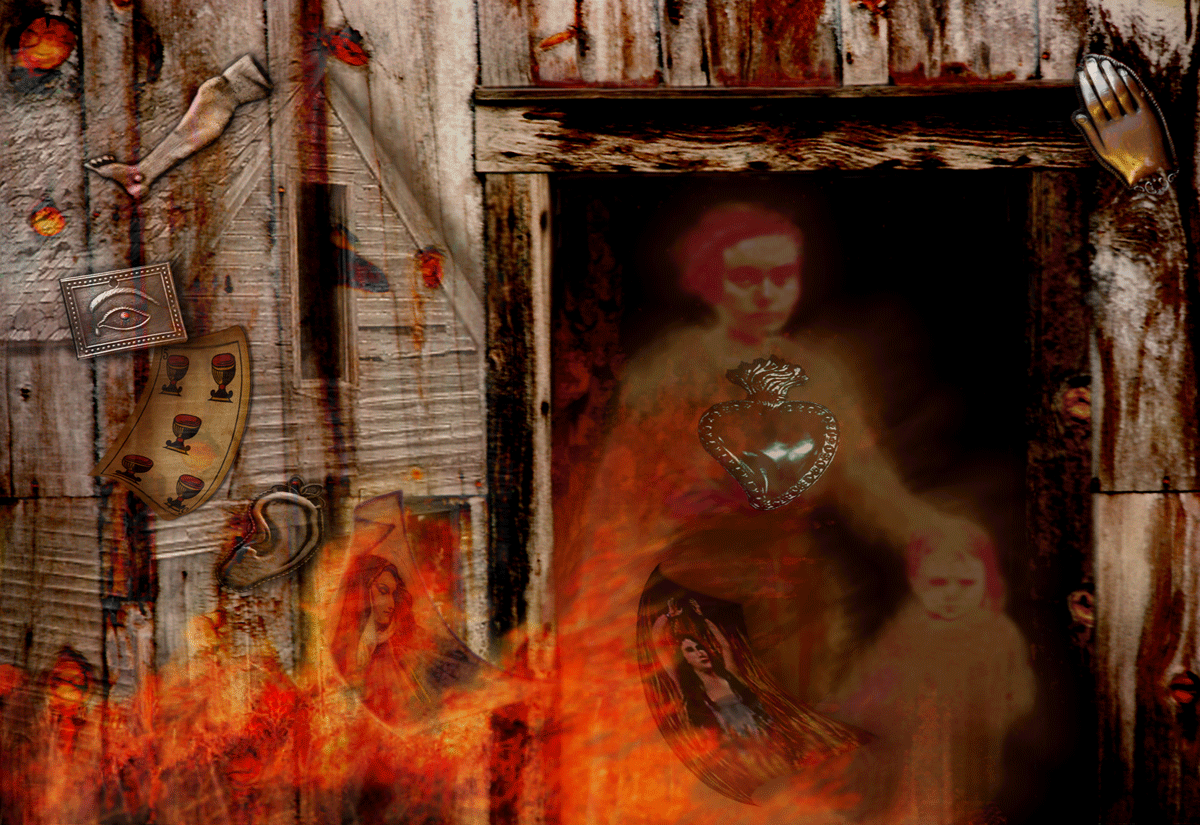
Heart on Fire
The town and church of
Nuestra Sra. de los Dolores
de Las Vegas was founded in
1835. Life was hard and
dangerous for these early
settlers. Fires were common
and most buildings from this
period have not survived.
The ex-votos reference the
folk healing traditions of the
curanderas. These self-
sufficient pioneer women
would have felt a special
affinity for Our Lady of
Sorrows (and Pains) and
demonstrated their courage
in the face of tragedy.
Nuestra Sra. de los Dolores
de Las Vegas was founded in
1835. Life was hard and
dangerous for these early
settlers. Fires were common
and most buildings from this
period have not survived.
The ex-votos reference the
folk healing traditions of the
curanderas. These self-
sufficient pioneer women
would have felt a special
affinity for Our Lady of
Sorrows (and Pains) and
demonstrated their courage
in the face of tragedy.
From the Ashes
West of Eden
The Harvey Girl
Travelin' Man
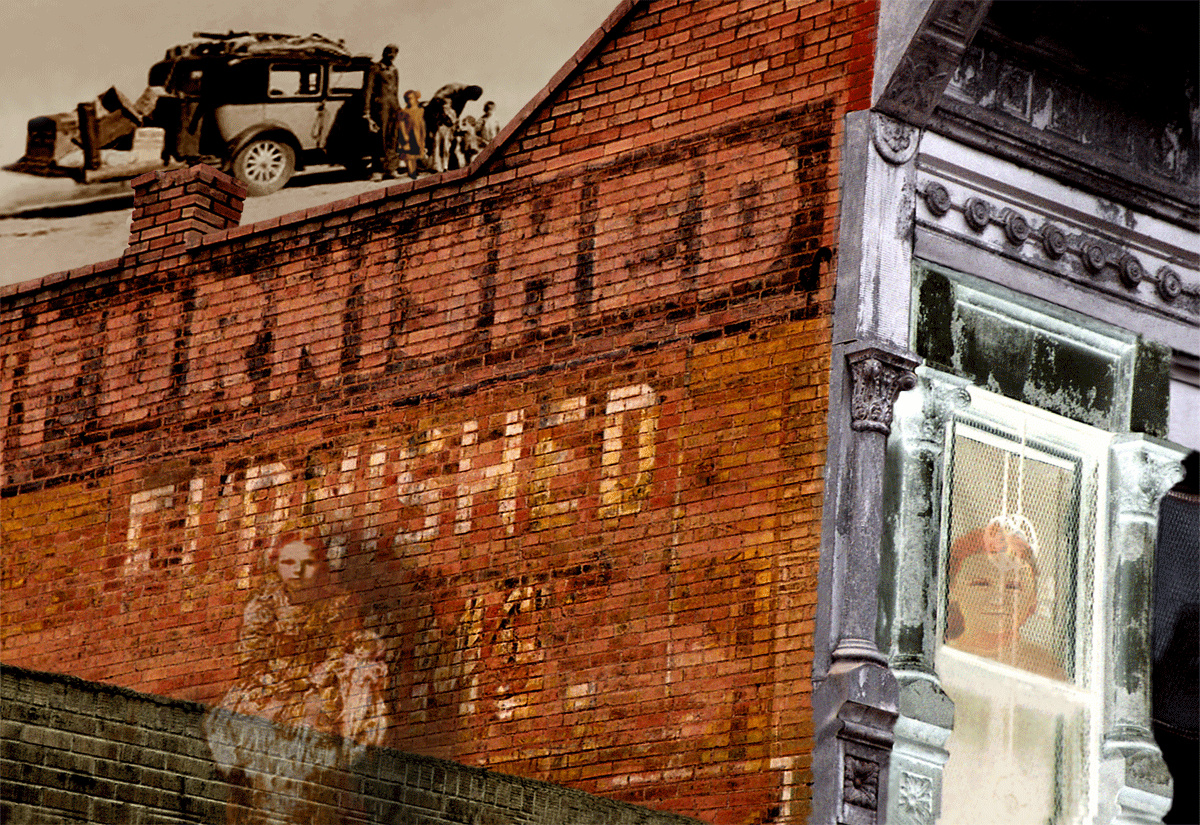
The Dust Bowl was a series
of dust storms caused by
massive drought that lasted
through the 1930's causing
a mass exodus from the
surrounding Great Plains.
Thousands of farm families
were displaced. Loaded up
with all their belongings,
they set out for California.
Many never made it that far,
but remained in stopping
places along the way.
They all moved on, but she
stayed behind...
of dust storms caused by
massive drought that lasted
through the 1930's causing
a mass exodus from the
surrounding Great Plains.
Thousands of farm families
were displaced. Loaded up
with all their belongings,
they set out for California.
Many never made it that far,
but remained in stopping
places along the way.
They all moved on, but she
stayed behind...
She Stayed Behind
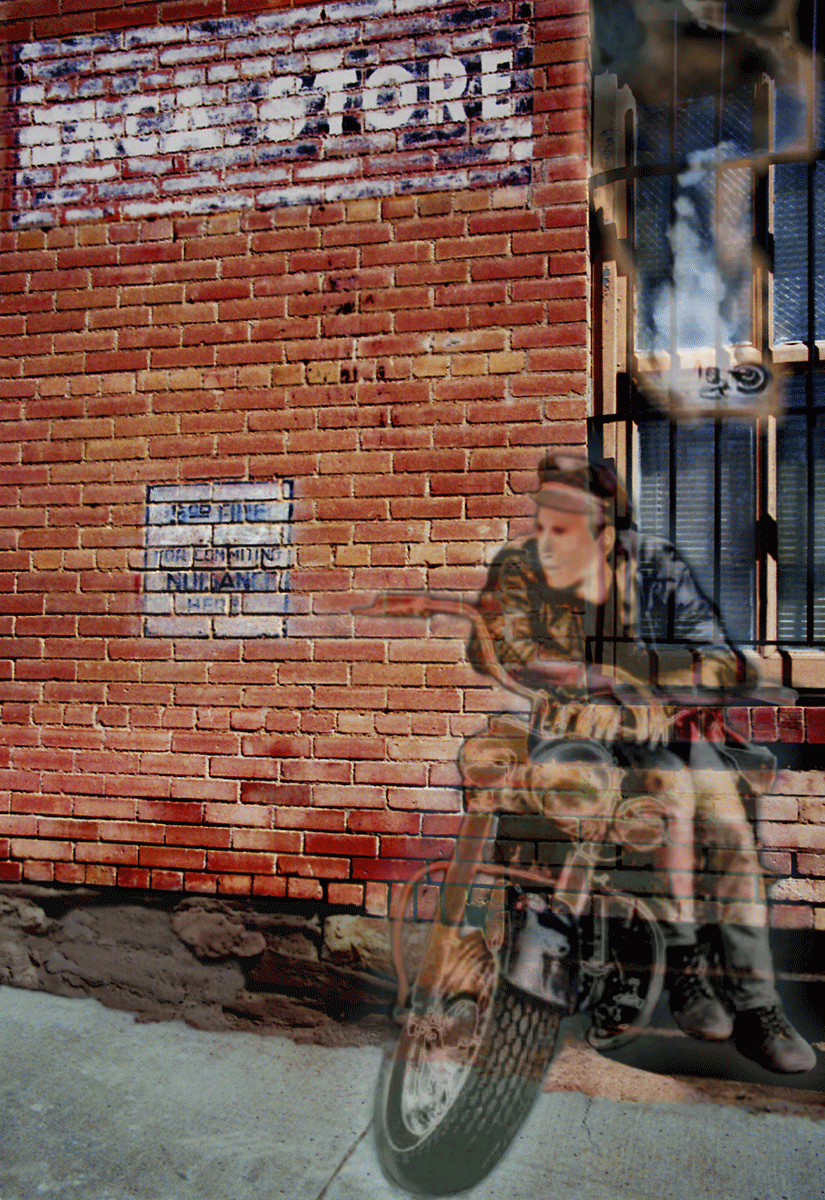
The Wild One
The Three Amigos
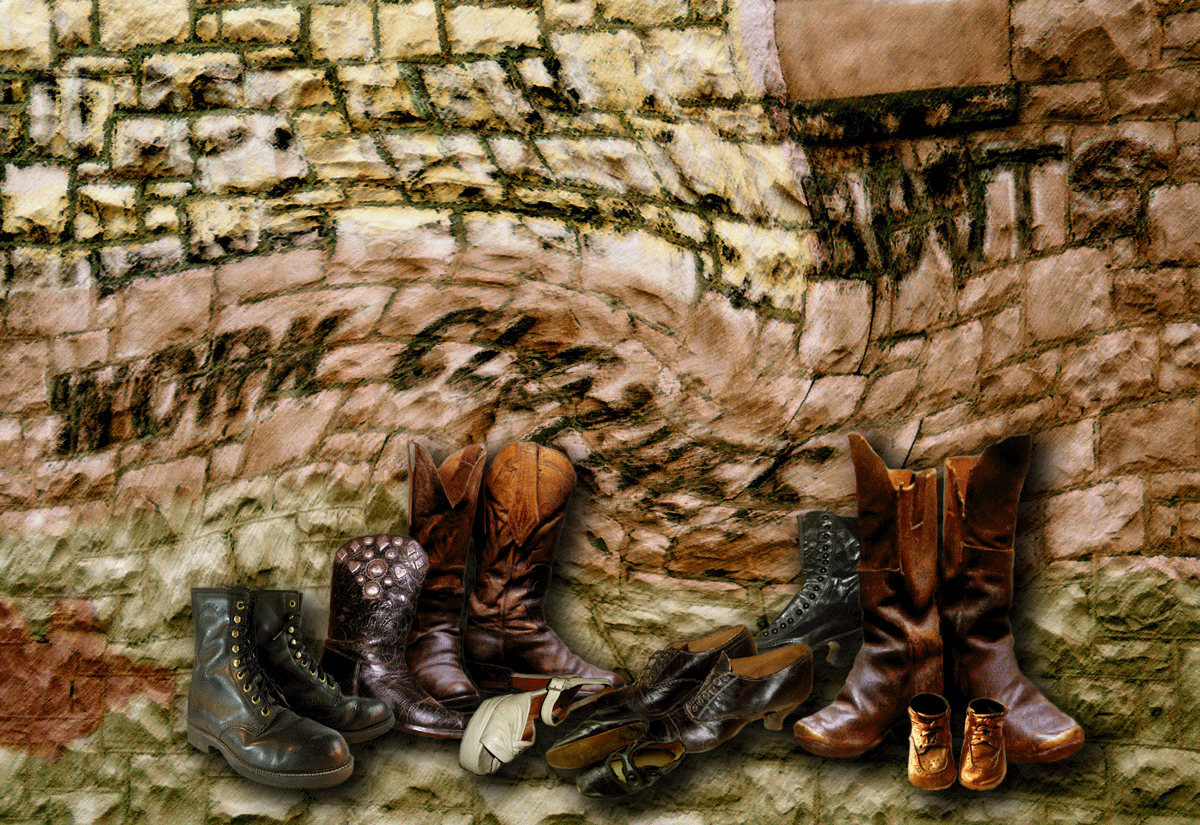
In Their Shoes
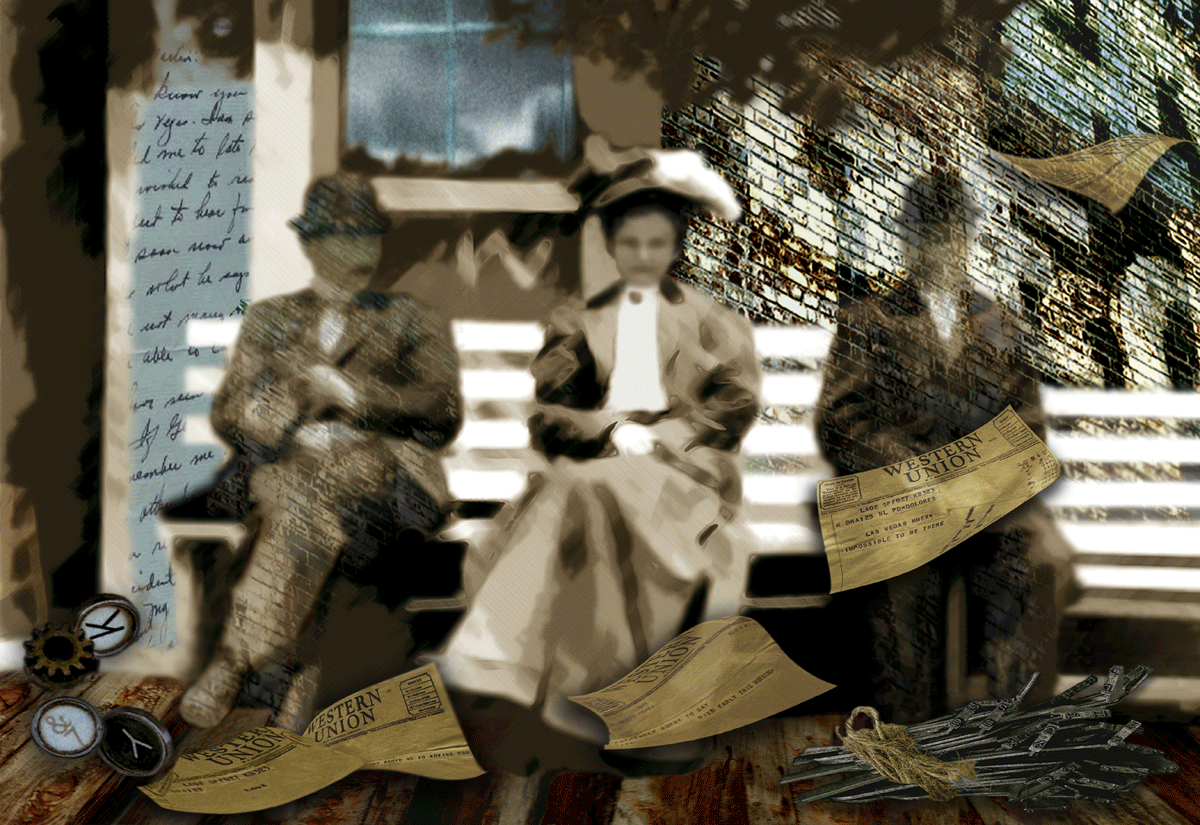
Waiting for Word
Archival inkjet prints with acid-free mats in 3 sizes:
12 x 18 $200, 8 x 10 $100, 5 x 7 $50
Boxed portfolio of eight 8 x 10 matted prints with
historical notes: $750
12 x 18 $200, 8 x 10 $100, 5 x 7 $50
Boxed portfolio of eight 8 x 10 matted prints with
historical notes: $750
In 1953 Marlon Brando
starred in this landmark film
of youthful rebellion and
gang violence, and the
mystique of the outlaw biker
was born. The leather-
jacketed bad boy became a
staple figure of the 1950's
youth culture. Brando's
magnetic performance
influenced such films as
James Dean's Rebel Without
a Cause, and the 1969
counter-culture classic Easy
Rider. Although the Wild
One surely committed many
a nuisance in his day, never-
theless, we love him still.
starred in this landmark film
of youthful rebellion and
gang violence, and the
mystique of the outlaw biker
was born. The leather-
jacketed bad boy became a
staple figure of the 1950's
youth culture. Brando's
magnetic performance
influenced such films as
James Dean's Rebel Without
a Cause, and the 1969
counter-culture classic Easy
Rider. Although the Wild
One surely committed many
a nuisance in his day, never-
theless, we love him still.
| Click Images to Enlarge |
I am inspired by the power of old buildings as depositories of memory bearing the imprint of past lives.
Over the years, I've enjoyed several sojourns in Northern New Mexico; most recently in the historic town
of Las Vegas, northeast of Santa Fe. Here I was captivated by the old painted advertisements on the
walls of its buildings. These "ghost signs" are living history; their superimposed peeling layers of paint
offer glimpses into the multi-layered past of a community transformed by changing times.
I combine my photographs of old abandoned buildings with vintage portraits and other found images,
which are then altered and reassembled digitally to create an alternate spatial and emotional reality.
These collages tell the stories of fictional ghosts evoked by the historical context and ambiance of
the buildings they inhabit...
"Ghost Signs / Ghost Stories" was a featured exhibition at New Mexico Highlands University in 2008.
Over the years, I've enjoyed several sojourns in Northern New Mexico; most recently in the historic town
of Las Vegas, northeast of Santa Fe. Here I was captivated by the old painted advertisements on the
walls of its buildings. These "ghost signs" are living history; their superimposed peeling layers of paint
offer glimpses into the multi-layered past of a community transformed by changing times.
I combine my photographs of old abandoned buildings with vintage portraits and other found images,
which are then altered and reassembled digitally to create an alternate spatial and emotional reality.
These collages tell the stories of fictional ghosts evoked by the historical context and ambiance of
the buildings they inhabit...
"Ghost Signs / Ghost Stories" was a featured exhibition at New Mexico Highlands University in 2008.
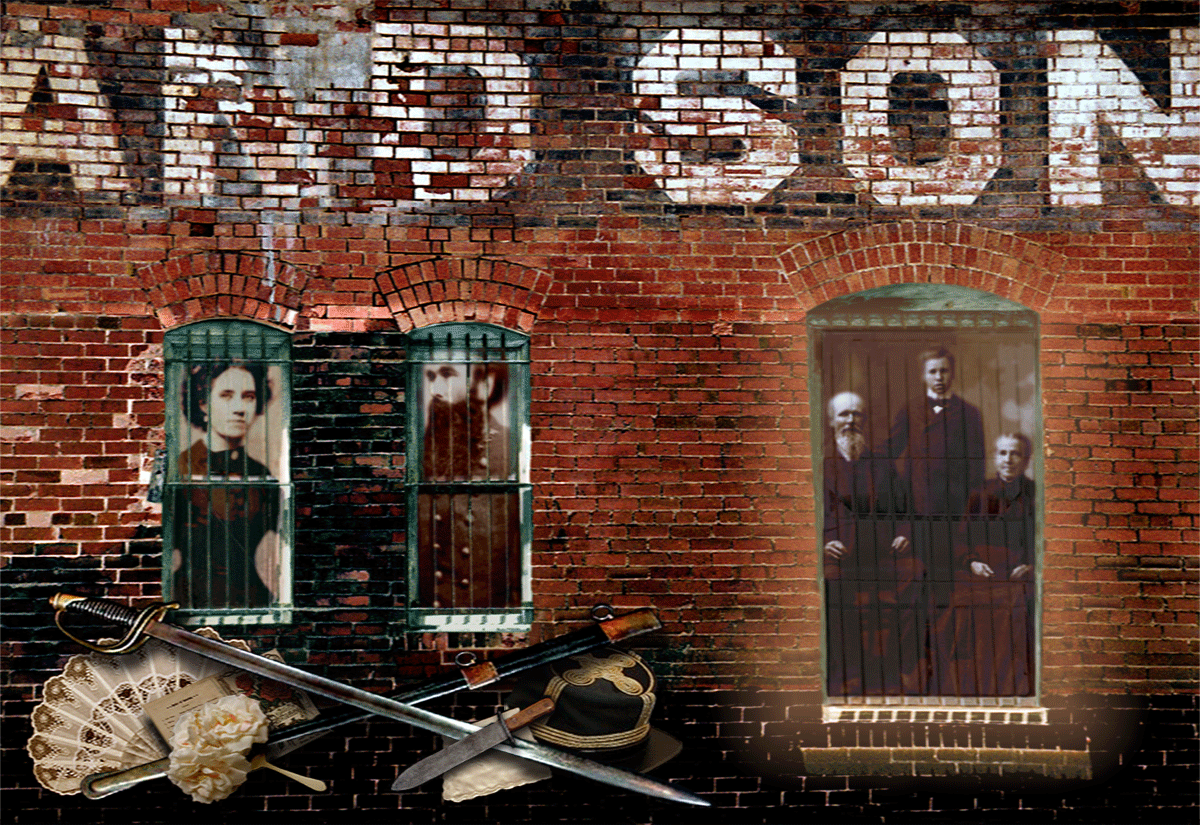
New Mexico Territory saw
the westernmost campaign
of the Civil War. Confederate
troops entered Albuquerque
and Santa Fe, but after a
series of battles fought near
Glorieta Pass, they were
forced to retreat. The Civil
War and its aftermath
disrupted many lives and
long separations ensued.
Many years would pass with
dreams deferred before a
Texas Confederate could
reunite with the New
Mexican belle who had
captured his heart.
the westernmost campaign
of the Civil War. Confederate
troops entered Albuquerque
and Santa Fe, but after a
series of battles fought near
Glorieta Pass, they were
forced to retreat. The Civil
War and its aftermath
disrupted many lives and
long separations ensued.
Many years would pass with
dreams deferred before a
Texas Confederate could
reunite with the New
Mexican belle who had
captured his heart.
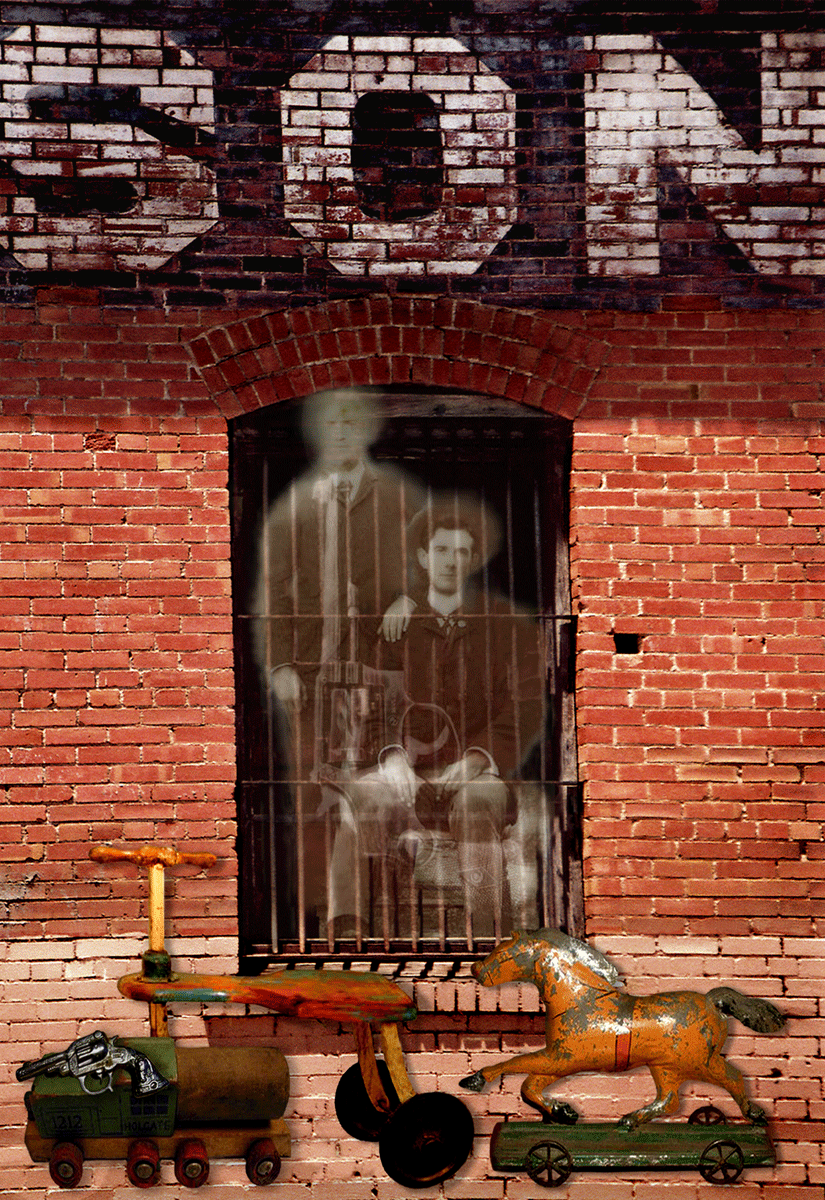
The railroad arrived in Las
Vegas in 1879, along with
new saloons and gambling
halls. Some of the most
notorious gunfighters and
lawmen in the West made
regular visits to Las Vegas,
including Jesse James, Billy
the Kid, Pat Garrett, Doc
Holliday and Wyatt Earp.
Las Vegas also boasted a
sizable number of home-
grown outlaws and the town
acquired a reputation for
lawlessness and violence.
Train robberies were frequent
occurrences. We often reap
the future that was planted
during our childhood games.
Vegas in 1879, along with
new saloons and gambling
halls. Some of the most
notorious gunfighters and
lawmen in the West made
regular visits to Las Vegas,
including Jesse James, Billy
the Kid, Pat Garrett, Doc
Holliday and Wyatt Earp.
Las Vegas also boasted a
sizable number of home-
grown outlaws and the town
acquired a reputation for
lawlessness and violence.
Train robberies were frequent
occurrences. We often reap
the future that was planted
during our childhood games.
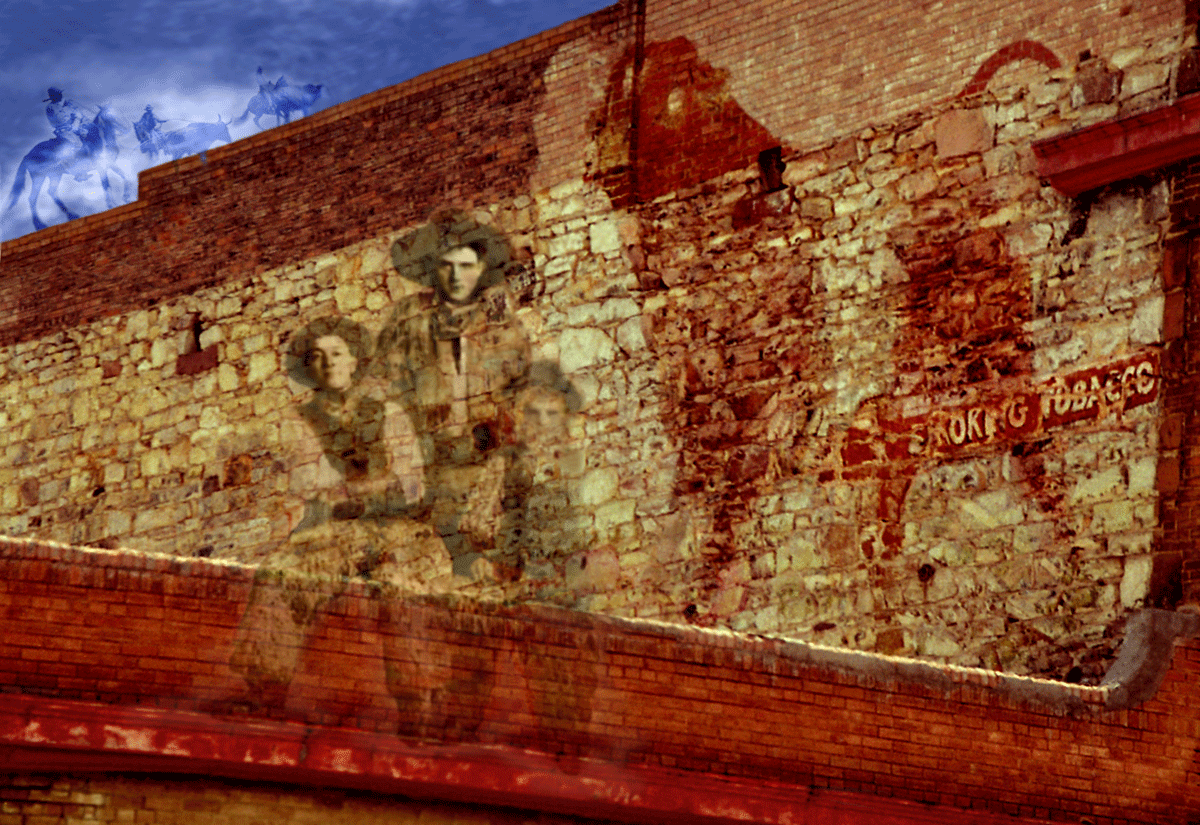
In the 1910's Las Vegas
was the "Cowboy Capital"
of New Mexico because of
the many cattle ranches in
the area. In 1915 a grand
"Cowboys Reunion" took
place. Among the guests
was movie star Tom Mix
who decided to return and
film many of his westerns
in Las Vegas. Those early
silent films set the standard
for a genre that would
capture the imagination of
the whole world. The hard
reality of ranching was not
so glamorous, but the lure
of a life in open spaces
attracted many young men
to follow the cowboy way.
was the "Cowboy Capital"
of New Mexico because of
the many cattle ranches in
the area. In 1915 a grand
"Cowboys Reunion" took
place. Among the guests
was movie star Tom Mix
who decided to return and
film many of his westerns
in Las Vegas. Those early
silent films set the standard
for a genre that would
capture the imagination of
the whole world. The hard
reality of ranching was not
so glamorous, but the lure
of a life in open spaces
attracted many young men
to follow the cowboy way.
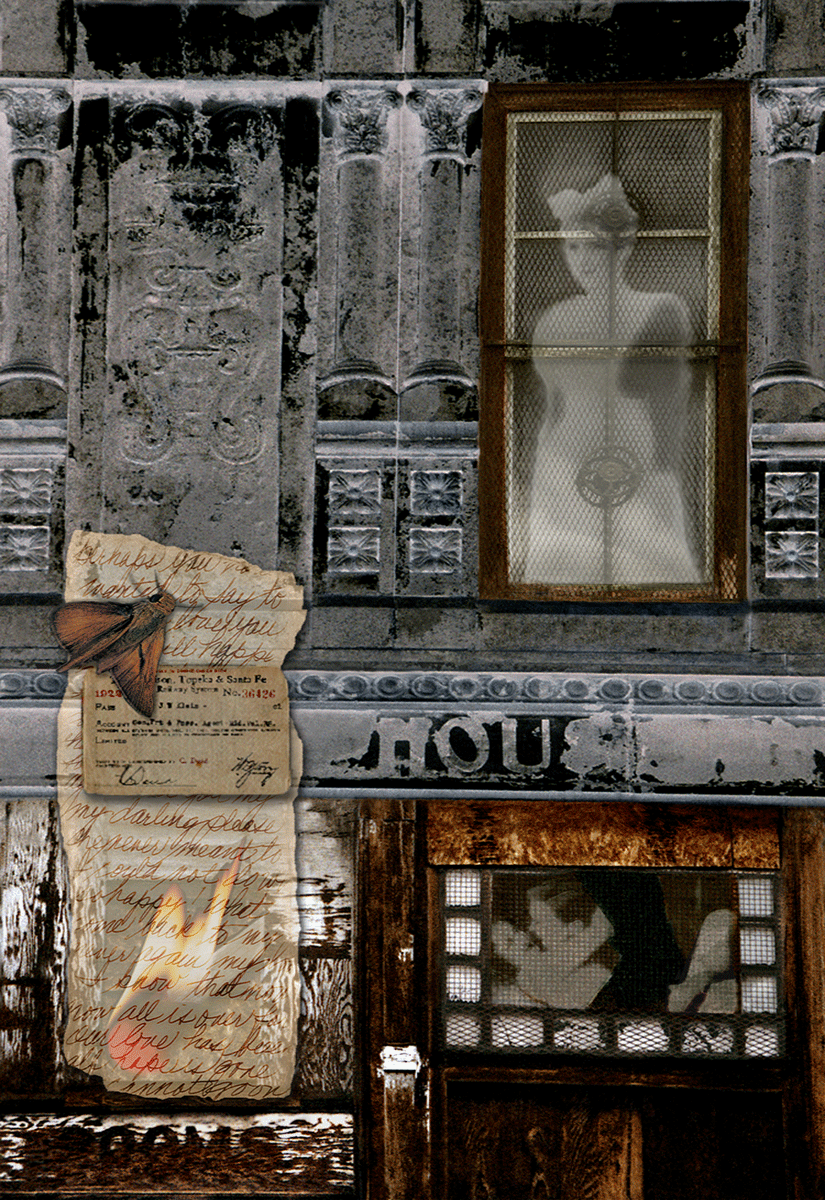
The Fred Harvey Company
built hotels and the first
restaurant chain in the country
to provide meals and services
at stops along the Atchison,
Topeka and Santa Fe Railway.
The company recruited young
women of "good moral
character" from across the
country to work in their
establishments. For the term
of their contract, Harvey Girls
agreed not to marry and to
abide by all company rules.
The Rawlings building was the
boarding house for the Harvey
Girls. But an ill-fated affair
dashed all her dreams. She
waits by the window, pining
for her faithless lover still...
built hotels and the first
restaurant chain in the country
to provide meals and services
at stops along the Atchison,
Topeka and Santa Fe Railway.
The company recruited young
women of "good moral
character" from across the
country to work in their
establishments. For the term
of their contract, Harvey Girls
agreed not to marry and to
abide by all company rules.
The Rawlings building was the
boarding house for the Harvey
Girls. But an ill-fated affair
dashed all her dreams. She
waits by the window, pining
for her faithless lover still...
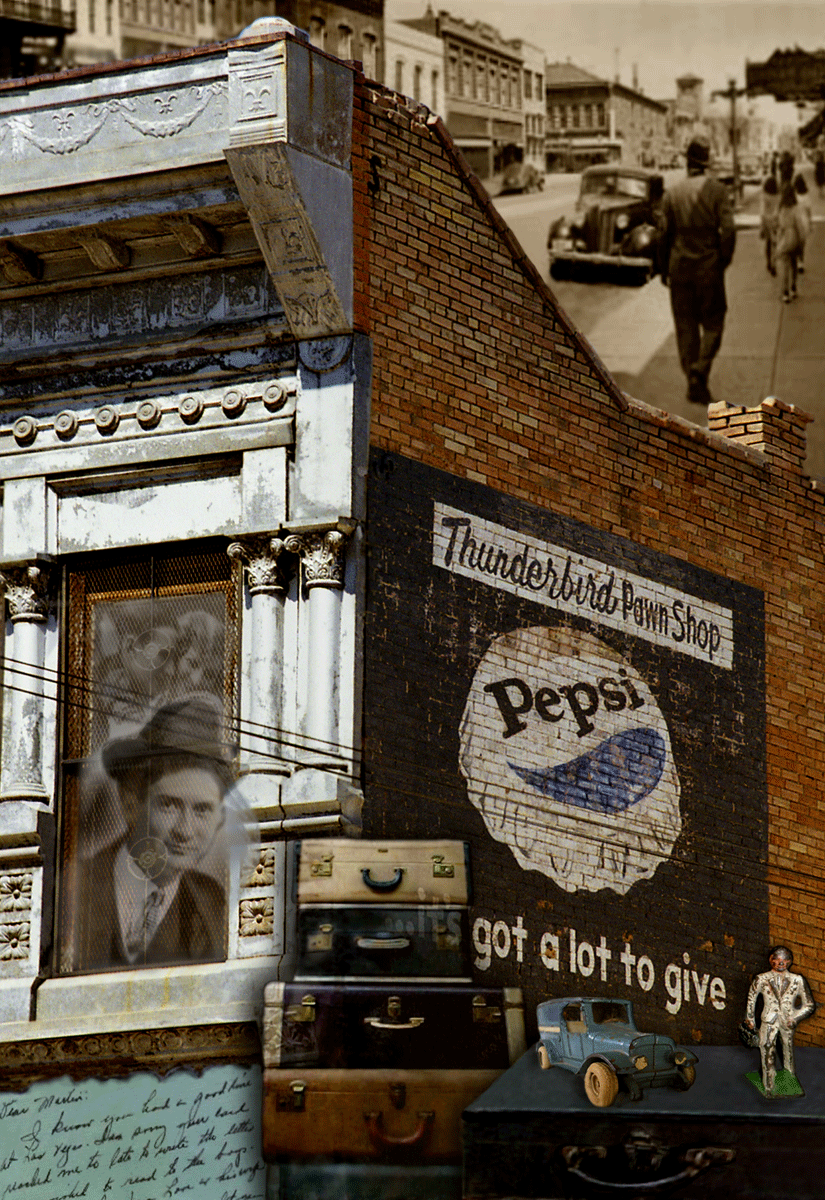
Traveling salesmen were a
fixture of small town life from
the 1930's to the 1950's as
motorized transportation
gave rise to new marketing
methods. Traveling sales-
men spent their time on the
road, making rounds from
town to town. Most door-
to-door selling took place in
the afternoons when lonely
housewives were at home,
and the traveling salesman's
reputation for amorous
exploits entered popular
culture. By the end of the
20th century, social and
economic changes had made
the door-to-door salesman a
thing of the past. But some
just keep coming back...
fixture of small town life from
the 1930's to the 1950's as
motorized transportation
gave rise to new marketing
methods. Traveling sales-
men spent their time on the
road, making rounds from
town to town. Most door-
to-door selling took place in
the afternoons when lonely
housewives were at home,
and the traveling salesman's
reputation for amorous
exploits entered popular
culture. By the end of the
20th century, social and
economic changes had made
the door-to-door salesman a
thing of the past. But some
just keep coming back...
 |
| |
 |
| |
 |
| |
 |
| |
 |
| |
 |
| |
 |
| |
 |
| |
 |